The History Behind the Hype
Fifty-plus years of football, fifty-plus years of marketing. From a $42,500 timeout filler to the most expensive thirty seconds on television - here's how the Super Bowl ad became its own sport.
The Timeline
Seven Eras of the Super Bowl Ad
Every leap in Super Bowl advertising tracks a leap in how brands understood their audience, from jingles to storytelling to real-time culture.
- 1967–1969
Era 1
Kickoff
The game gets a national stage
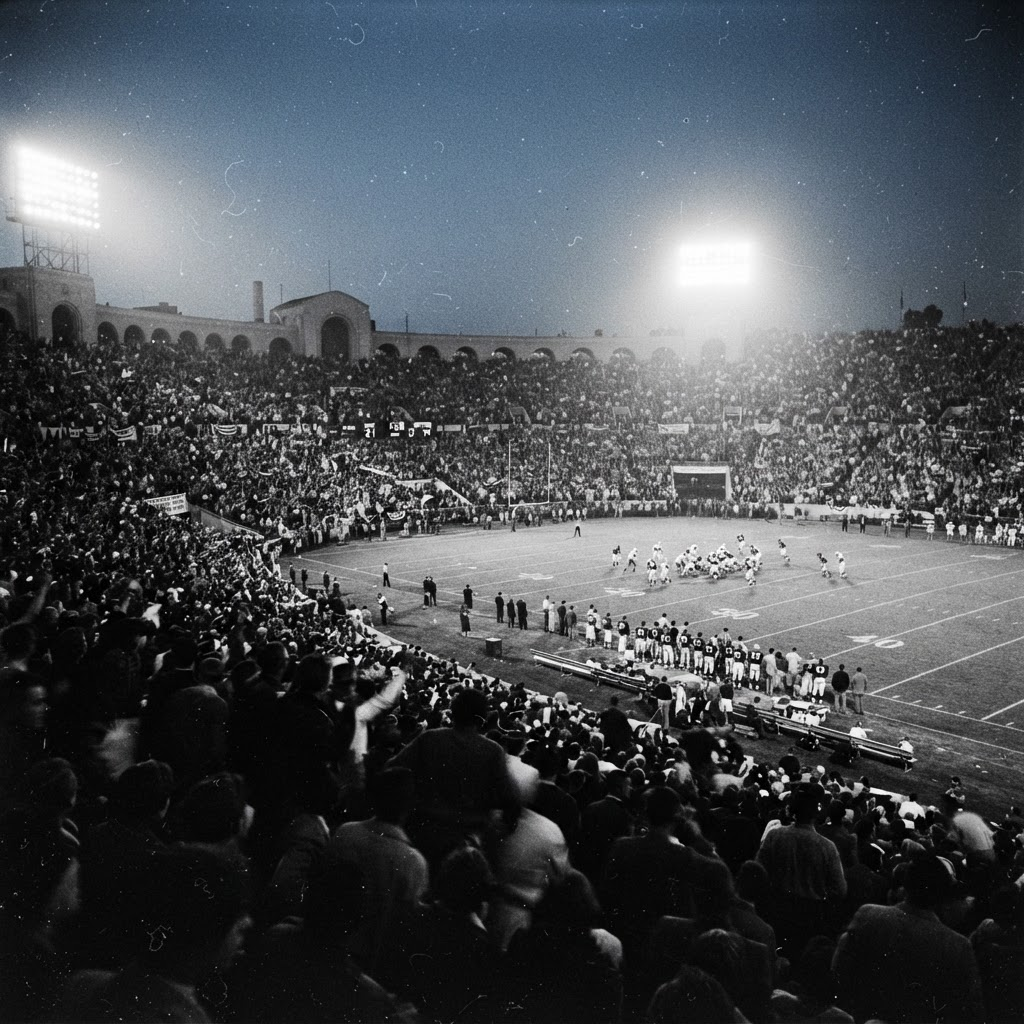
The first Super Bowl aired in 1967 on both NBC and CBS, and a 30-second spot ran about $42,500, pocket change by today's standard. Advertisers treated the broadcast like any other timeout filler. Nobody yet understood they were sitting on the biggest single audience in American media.
- 1970s
Era 2
The Jingle Era
Coca-Cola's Hilltop and the birth of emotional advertising
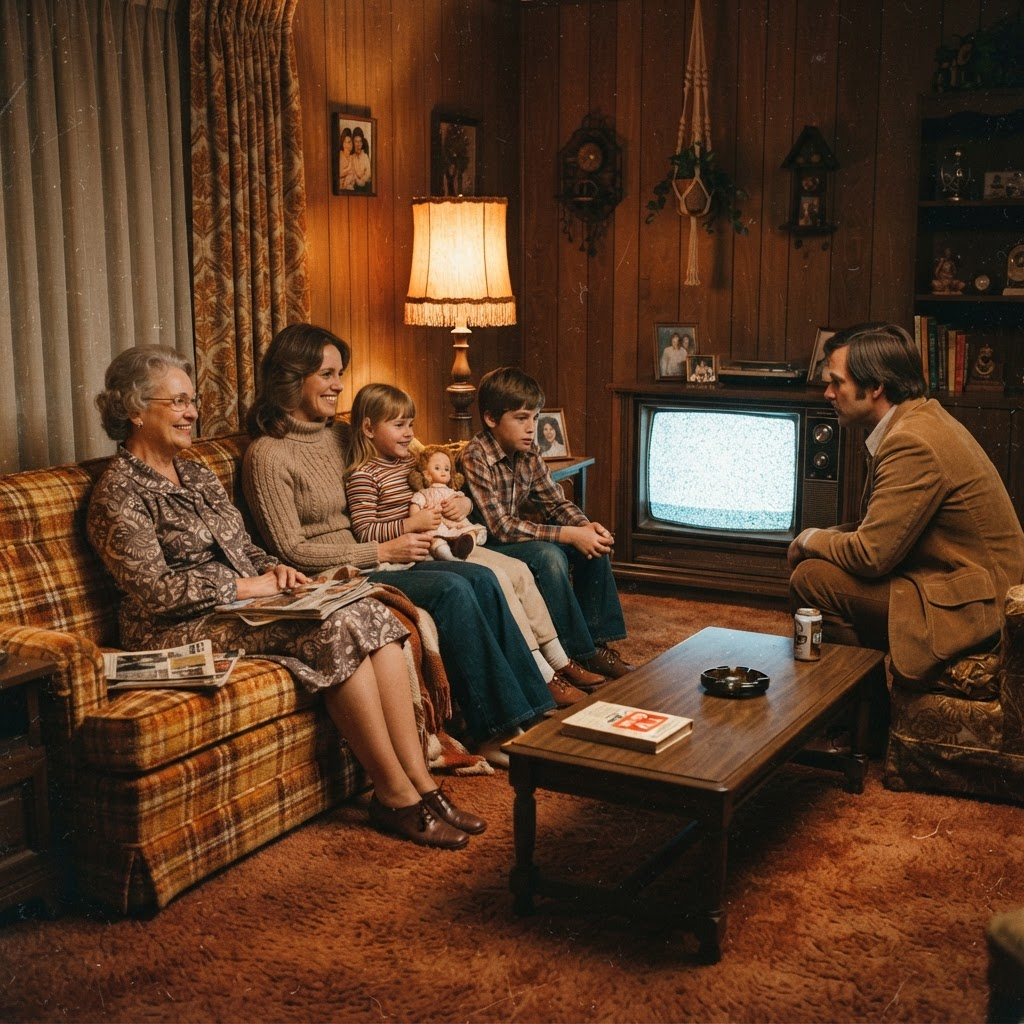
Coca-Cola's 1971 "Hilltop" spot, a chorus of young people singing "I'd Like to Buy the World a Coke" on an Italian hillside, proved a soft drink could sell peace and togetherness instead of just flavor. It wasn't made for the Super Bowl, but it set the template every brand would chase for the next fifty years: sell the feeling, not the product.
- 1980s
Era 3
The Event Ad Is Born
Apple's "1984" changes what a commercial can be
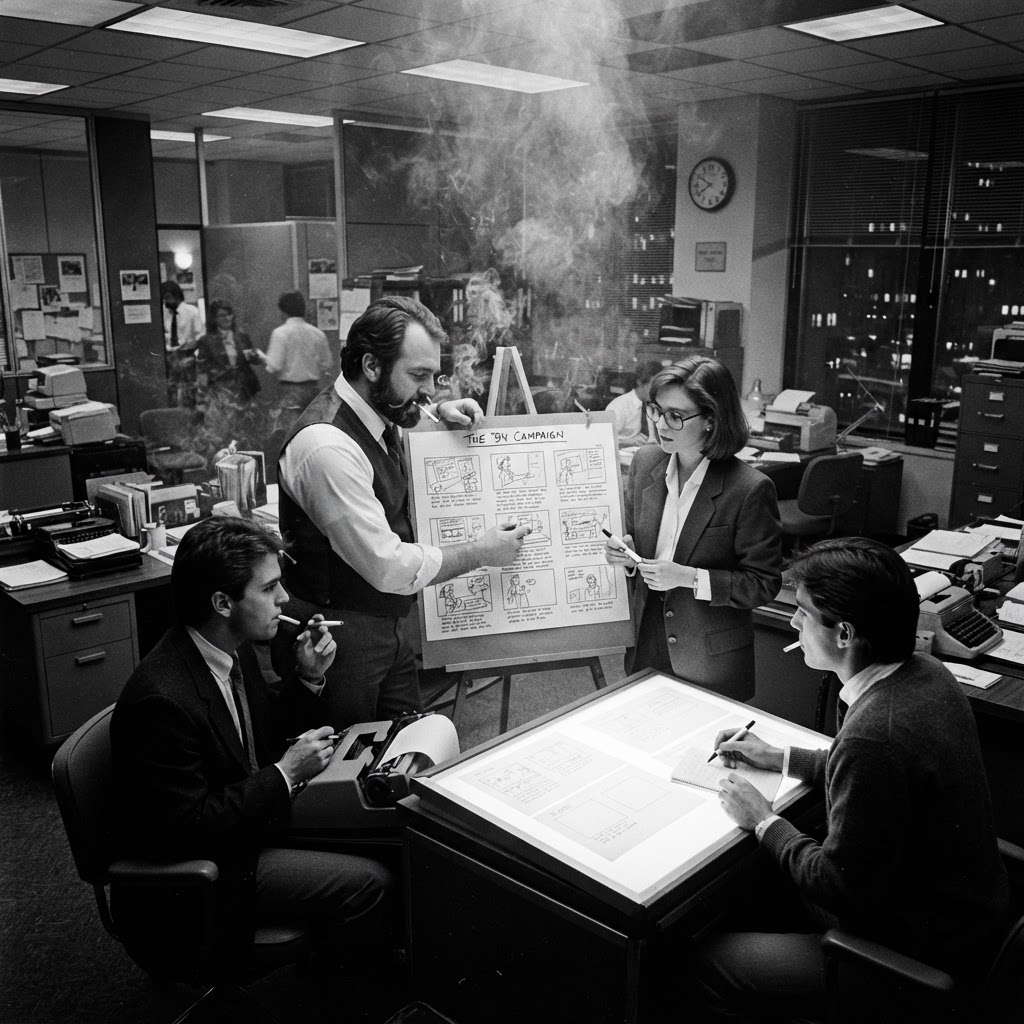
Directed by Ridley Scott and airing only once, during the third quarter of Super Bowl XVIII, Apple's "1984" never showed the Macintosh. It sold a story: a rebel with a sledgehammer versus Big Brother, and turned a 60-second ad buy into front-page news the next morning. Madison Avenue took notice: the Super Bowl spot could be a cultural event, not just a media buy.
- 1990s
Era 4
Mascots & Slapstick
Frogs, Clydesdales, and the rise of ad-as-entertainment
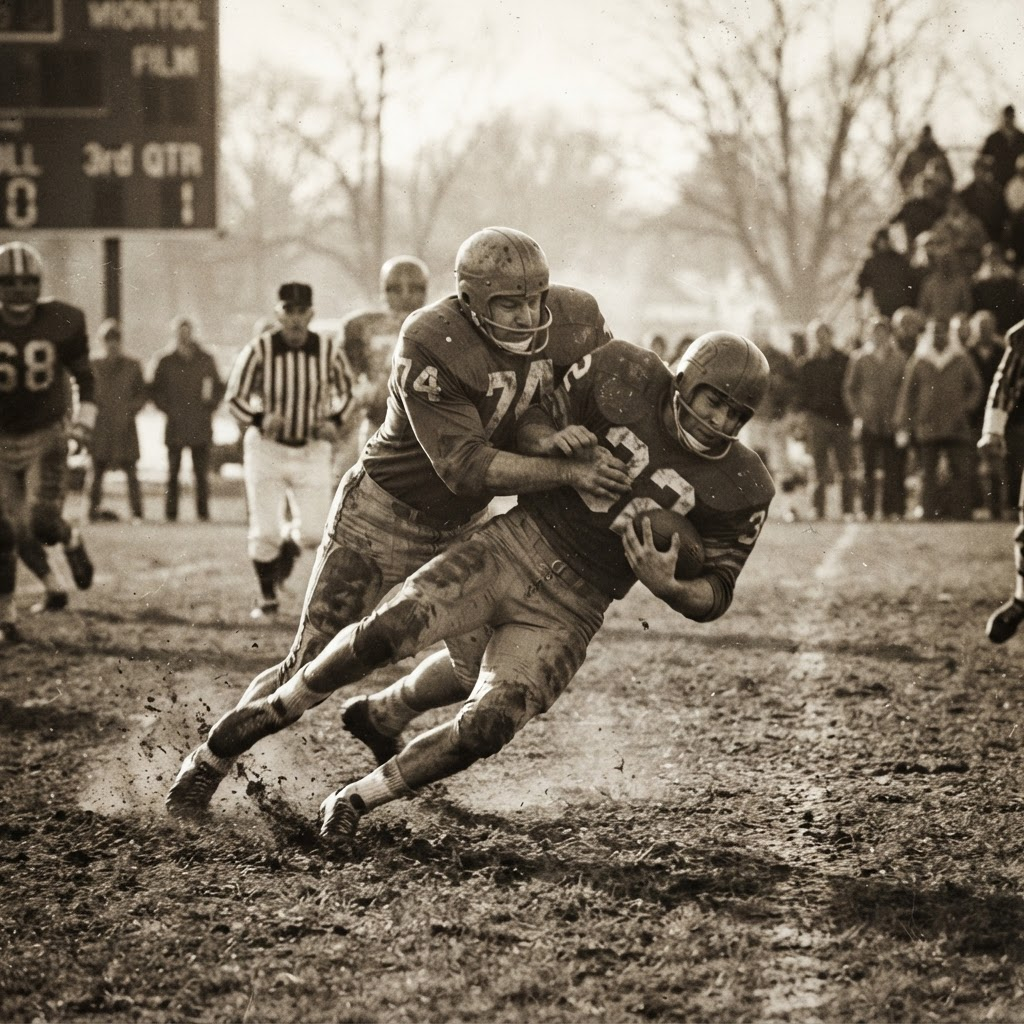
Budweiser's croaking frogs and the E*Trade era ushered in a decade where the Super Bowl became appointment viewing for the commercials as much as the game. Humor and mascots were low-risk, high-recall bets, and brand safety and punchline setup started to matter as much as production budget.
- 2000s
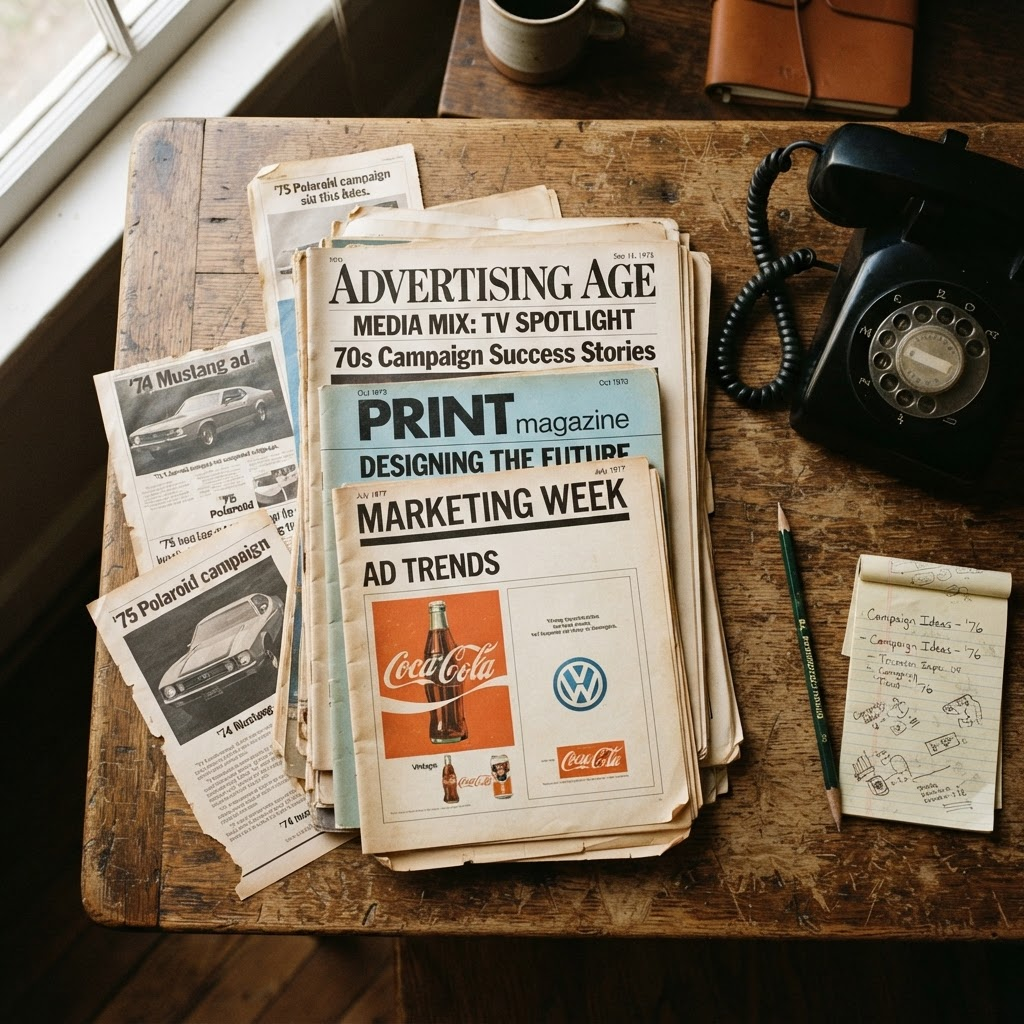
Era 5
Dot-Com Boom & Bust
Startups bet everything on one Sunday
During the dot-com bubble, a wave of unknown internet companies spent their entire marketing budgets on a single Super Bowl slot, betting one big swing beat a slow build. Most of those brands are gone. The survivors, like E*Trade's talking baby franchise, proved that a strong hook still needed a real business behind it.
- 2010s
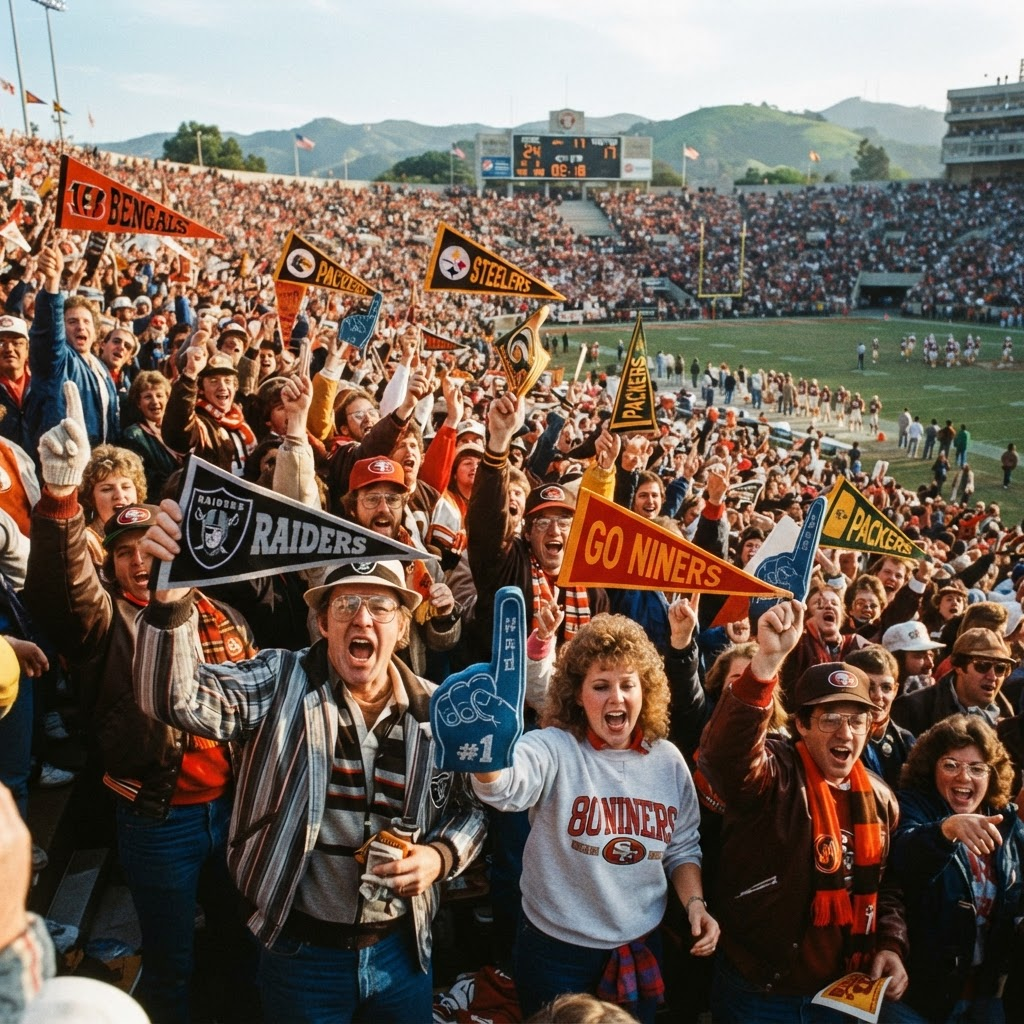
Era 6
The Social Second Screen
Ads built for Twitter as much as television
Once everyone was live-tweeting the game, brands started designing ads to be clipped, memed, and argued about online before the fourth quarter ended. Hashtags appeared onscreen. Teaser trailers dropped days early. The 30-second spot became the opening move in a much longer campaign.
- 2020s
Era 7
Streaming, QR Codes & $8M Minutes
The most expensive 30 seconds in advertising
A 30-second spot now runs well past $7 million before production costs, yet demand has never been higher: brands like Coinbase proved a single bouncing QR code could still break the internet. As streaming fractures every other audience, the Super Bowl remains the last true mass-market stage in America.
The Strategy
The Marketing Playbook
Every criterion on the scorecard traces back to a real strategic lever advertisers have pulled for decades.
The Long Setup, Short Punch
The best 30-second spots spend 25 seconds building a premise and 5 seconds paying it off, a structure borrowed straight from stand-up comedy. Budweiser's frogs and Doritos' slapstick gags both live and die on how patiently they build the joke.
Play It Safe, On Purpose
With over 100 million people watching, one tasteless joke can cost a brand years of goodwill. Agencies run every script through legal, PR, and focus groups precisely because the audience is too big and too broad to risk offending.
Ride the Moment
The sharpest brands react to the culture in real time: Oreo's 2013 blackout tweet, or a brand tying its spot to a current event the week of the game. Opportunism rewards the marketer who is fastest to notice what's already trending.
Sell Something, Not Just a Story
A great story that nobody remembers the next morning is a wasted $8 million. The ads that actually move sales, like E*Trade or Old Spice, pair a memorable hook with a clear, repeatable brand message that survives past Monday.
Keep Reading
Further Reading
For the ad man who wants the deep cuts: real coverage from the trade press and the archives.
- Ad Age
Super Bowl Commercial Archive
A browsable archive of Super Bowl ads by year, straight from the industry trade paper that has covered every one since 1967.
- Wikipedia
1984 (advertisement)
The full production history of Apple's Ridley Scott-directed spot, including how close it came to never airing at all.
- Wikipedia
Hilltop (advertisement)
The story behind Coca-Cola's "I'd Like to Buy the World a Coke," conceived at a fog-delayed airport in Ireland.
- Wikipedia
Super Bowl commercials
A running overview of how Super Bowl advertising has evolved, including year-by-year pricing milestones.
- Wikipedia
Budweiser Frogs
How three CGI frogs became one of the most-remembered ad mascots of the '90s, and what it did for Budweiser's brand recall.
- Wikipedia
Whassup?
The making of Budweiser's 2000 campaign, one of the most quoted and parodied commercials of its decade.